Visiting Seoul’s Royal Palaces? Check the Free-Entry Trend Before You Go
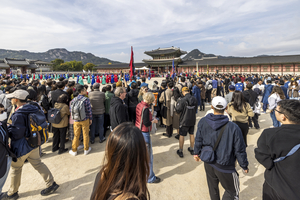
Visiting Seoul’s Royal Palaces? Check the Free-Entry Trend Before You Go
Before you build a Seoul itinerary around palace tickets, check this first: more people are visiting Seoul’s royal heritage sites, but fewer are paying admission. That means the smartest pre-trip move is not just “buy a ticket” — it is to verify whether your visit is ticketed, free, or affected by special admission rules on the day you go.
Quick answer: According to The Korea Herald on July 3, 2026, admissions revenue at Seoul’s major royal heritage sites fell even as visitor numbers increased, because more visitors entered for free. For travelers, the practical takeaway is simple: check the current entry rules for Gyeongbokgung, Deoksugung, Changdeokgung, Changgyeonggung, and Jongmyo Shrine before you arrive.
Why this matters for Korea watchers
Seoul’s palaces are often treated as “easy” attractions: show up, buy a ticket, take photos, move on. But the latest signal from Korea suggests the visitor experience is becoming more rule-dependent.
If more tourists are entering without paying, it may mean more people are using free-entry categories, special admission conditions, or other exemptions. The source does not list every free-entry route, so you should not assume your visit is automatically free. But you should assume one thing: the price you pay may depend on details you need to check before the gate.
This matters especially if you are planning a tight Seoul day around Bukchon Hanok Village, Gwanghwamun, Insadong, City Hall, or Changdeokgung. A small admission-rule detail can change your route, budget, and timing.
Key facts travelers should know
| Item | What is known | Why it matters for visitors |
|---|---|---|
| Source date | The Korea Herald, July 3, 2026 | Use this as a current travel signal, but verify today’s rules before visiting. |
| Country and city | South Korea, Seoul | The issue concerns Seoul’s royal heritage sites, not all Korean attractions. |
| Sites mentioned | Gyeongbokgung, Deoksugung, Changdeokgung, Changgyeonggung, and Jongmyo Shrine | These are the palace-area stops most travelers should check individually. |
| Visitor trend | Visitors to the five royal heritage sites rose from about 13.1 million | Expect major sites to remain popular, especially around central Seoul. |
| Revenue trend | Combined ticket revenue declined for the first time in five years | More visitors are not necessarily buying paid tickets. |
| Main reason reported | More tourists entered for free | Free-entry eligibility is now a key detail to verify before arrival. |
The useful reading is not “palaces are losing money.” For travelers, the useful reading is: Seoul palace admission is not just about the listed ticket price. Your actual entry situation may depend on rules, visitor category, timing, or program details.
What happened
The Korea Herald reported on July 3, 2026 that admissions revenue from Seoul’s historic grand palaces declined last year, even though visitor numbers increased. The article cited a Friday report by the local daily Hankyoreh, based on data from the Korea Heritage Service.
The sites named were Gyeongbokgung, Deoksugung, Changdeokgung, Changgyeonggung, and Jongmyo Shrine. Together, these are among the most recognizable heritage stops for first-time visitors to Seoul.
The striking part is the mismatch: more people came, but combined ticket revenue fell for the first time in five years. The reported reason was that more tourists entered for free.
What international readers should know
If you are visiting Seoul, do not plan palace costs based only on old blog posts, screenshots, or travel videos. Admission rules can depend on the site and the date, and the current trend shows that free entry is playing a bigger role in actual visitor behavior.
Before you go, check three things:
- Is the site open on your planned day? Some heritage sites may have different operating schedules.
- Is your visit paid or free? Do not assume either way. Confirm the current rule for that specific site.
- Do you need a separate ticket, reservation, or timed entry? This is especially important when your itinerary includes multiple heritage sites in one day.
For a first-time Seoul route, this is the practical difference: Gyeongbokgung may be the big-photo stop, Deoksugung may fit better with a City Hall walk, and Changdeokgung may require more careful timing depending on what you want to see. The source does not provide site-by-site rules, so treat each palace as its own check, not one shared policy.
Local context most people miss
Many travelers think of Seoul’s palaces as museum-like attractions. Locally, they also function as cultural spaces, photo spots, walking routes, seasonal destinations, and heritage education sites. That is why visitor numbers can rise even when ticket revenue does not.
This is also why “free” does not always mean “empty” or “easy.” If more people qualify for free entry or visit during free-entry conditions, the site can still be crowded. A free gate does not guarantee a quiet palace courtyard.
For international visitors, the hidden planning issue is time. Even if admission is free, you may still spend time queuing, checking directions, finding the correct gate, or adjusting your route if one site is busier than expected.
What to check next
Use this as a quick pre-visit checklist before going to any Seoul royal palace or Jongmyo Shrine:
- Check the official page for the exact site. Do not rely only on a general Seoul travel article.
- Confirm today’s admission status. Look for paid entry, free-entry conditions, closure days, and special notices.
- Check whether your planned visit involves a guided route or separate access area.
- Verify opening hours on the day of your visit. Holiday schedules and maintenance notices can change plans.
- Build a backup nearby stop. Around the palace areas, weather and crowds can change your day quickly.
A simple approach: pick your “must-see” palace first, then check its rules. After that, add nearby stops. Do not plan four heritage sites in one day unless you have already checked opening hours and entry conditions for each one.
Useful Korean phrase
입장료가 있나요? Ipjangnyoga innayo? — “Is there an admission fee?”
You can use this at a ticket booth or information desk. If you want to be more specific, show the date on your phone and ask staff whether your visit is paid or free that day.
What to verify before acting
The reliable source-backed point is the trend: The Korea Herald, citing Hankyoreh and Korea Heritage Service data, reported on July 3, 2026 that visitors increased while admissions revenue fell at five Seoul royal heritage sites because more tourists entered for free.
What you should verify separately is your own visit condition: today’s opening hours, free-entry eligibility, ticket requirements, reservation rules, and any temporary notices for the specific site you plan to visit. Do not make a final itinerary based only on a news article.
FAQ
Are Seoul’s royal palaces free to enter now?
Not necessarily. The report says more tourists are entering for free, but it does not mean every visitor can enter every palace for free every day. Check the current rule for the specific site before you go.
Which Seoul palace sites were mentioned in the report?
The sites named were Gyeongbokgung, Deoksugung, Changdeokgung, Changgyeonggung, and Jongmyo Shrine. These are major royal heritage locations in Seoul and common stops for international travelers.
Why did ticket revenue fall if more people visited?
The reported reason was that more tourists entered for free. According to the July 3, 2026 Korea Herald article, combined ticket revenue declined for the first time in five years even as visitor numbers rose.
Should I still budget for palace tickets in Seoul?
Yes. Budget for tickets unless you have confirmed that your visit qualifies for free entry. It is safer to plan for a small admission cost and then treat free entry as a bonus if it applies.
Is this trend useful for first-time Korea travelers?
Yes. It tells you to verify admission rules before arrival, especially if your Seoul itinerary includes multiple palace sites in one day. The time saved can matter more than the ticket price.


댓글
댓글 쓰기