Studying in Korea? Save This Before You Start Your Job Search
Studying in Korea? Save This Before You Start Your Job Search
Save this before you make the same Korea mistake many international students make once: waiting until graduation to understand how Korean career platforms, university networks, and post-study job routes connect.
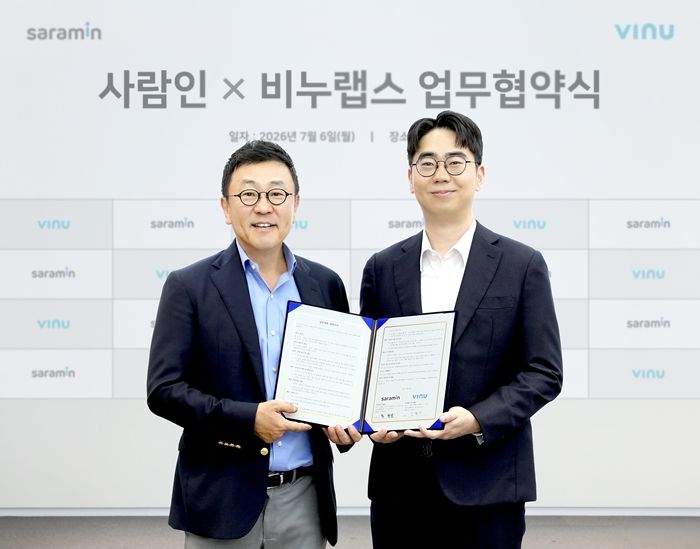
Quick answer: A July 7, 2026 Korea news signal says Saramin, a Korean career platform, has partnered with Vinulabs to build a “career lifecycle platform” covering Gen Z university students, international students coming to Korea, and alumni expanding their careers after graduation. If you are an international student in Korea, this is a cue to start tracking career support before your final semester—not after.
Why this matters for Korea watchers
If you are planning to study in Korea, already enrolled at a Korean university, or hoping to work in Korea after graduation, the important part is not just the company partnership itself.
The useful signal is this: Korean career services are being discussed more as a full “lifecycle” system. That means the journey may start from study abroad or language training, continue through job preparation and first employment, and later connect to career change or alumni networks.
For international readers, this matters because Korea’s job search can feel fragmented. One person tells you to use a job portal. Another tells you to ask your university office. Someone else says networking matters more. The news around Saramin and Vinulabs suggests that Korea’s student-to-career path is becoming a more deliberate service area, especially for foreign students looking for work, internships, and post-study opportunities.
What happened
According to a Korea news article published on July 7, 2026, Saramin and Vinulabs have joined hands around a “career lifecycle platform.” The article was surfaced through Naver News Korea Life Signals under the query “외국인 유학생 취업 한국,” which means “foreign international student employment Korea.”
The reported focus includes three groups:
- Gen Z university students
- International students entering Korea
- Alumni expanding their careers after graduation
The article summary describes a career care structure that connects study abroad and language training, job preparation, first employment, job change, and career transition.
| Item | What is known | Why it matters to international readers |
|---|---|---|
| Date | Published on July 7, 2026 | Useful for readers tracking current Korea job and student-life signals |
| Country | South Korea | Relevant to international students studying or planning to study in Korea |
| Companies named | Saramin and Vinulabs | Saramin is tied to Korean career platform activity; Vinulabs is named as the partner in the report |
| Topic | Career lifecycle platform | Points to support before and after graduation, not only one-time job posting searches |
| Groups mentioned | Gen Z students, foreign students entering Korea, and alumni | International students should watch whether services become more tailored to their stage |
What international readers should know
The biggest practical takeaway is timing.
Many international students start seriously thinking about employment only when graduation is close. In Korea, that can be stressful because job preparation may involve Korean-language resumes, company-specific application formats, internship timing, visa-related checks, and university career center programs.
This news signal suggests that the “career journey” is being framed earlier. For a student, that means you should not treat your Korean job search as one final task. Treat it as a staged process.
A simple way to think about it:
- Before arrival: Learn which Korean job platforms and university offices are relevant to your field.
- During language training or early semesters: Build a Korean resume draft and understand basic job-search terms.
- Before graduation: Check internships, first-job openings, and eligibility rules.
- After graduation: Track career transition options and alumni support, if available.
This does not mean a platform partnership guarantees jobs, visa sponsorship, or easier hiring. It means international students should watch Korea’s career-service ecosystem more closely and verify the exact services offered before relying on any one platform.
Local context most people miss
In Korea, “career preparation” often starts earlier than newcomers expect. Korean students may prepare resumes, certificates, internships, language scores, portfolios, and company-specific applications long before their final semester.
International students can miss this rhythm because they are also dealing with housing, Korean language study, immigration paperwork, part-time work rules, and adapting to campus life.
That is why the phrase “career lifecycle” is worth noticing. It points to a broader view of career support: not just “find a job posting,” but “support the student from study to first job and later career movement.”
For Korea-curious readers, this is also a small but useful culture signal. Korea’s education-to-employment path is highly structured, and platforms that connect students, universities, and career services may become more visible for both Korean and foreign students.
What to check next
If you are an international student in Korea or planning to become one, use this as a checklist rather than a promise.
- Check your university career center: Ask whether they work with external career platforms or offer foreign-student job support.
- Search in Korean and English: Try terms such as “외국인 유학생 취업,” “한국 유학생 인턴십,” and “international student jobs Korea.”
- Ask about eligibility: Before applying, confirm whether the role is open to foreign applicants and what documents are required.
- Verify visa conditions: Job search, internships, part-time work, and post-study employment can involve visa rules. Always check official immigration guidance.
- Start early: Do not wait until graduation month to learn Korean resume formats or job platform workflows.
Useful Korean phrase: “외국인 유학생도 지원 가능한가요?” means “Can international students also apply?” This is a practical question to ask a university office, recruiter, or platform support team.
Why this is credible, and what still needs checking
The factual basis for this post comes from a July 7, 2026 Korea news item carried through Naver News and linked to Financial News. The candidate signal specifically identifies Saramin, Vinulabs, the “career lifecycle platform” wording, and the target groups of Gen Z university students, foreign students entering Korea, and alumni.
What you should not do is make a visa, job, or school decision based only on this news signal. Before acting, verify the actual service details, eligibility, launch status, participating schools, supported languages, and any application requirements directly through the relevant platform, university, employer, or Korean government channel.
FAQ
Is this only for Korean students?
No. The reported groups include foreign students entering Korea, along with Gen Z university students and alumni. However, the exact services available to international students should be checked directly with the platform or university involved.
Does this mean international students are guaranteed jobs in Korea?
No. The news points to a career-service partnership, not a job guarantee. Hiring depends on employer needs, language ability, visa eligibility, documents, and the specific role.
When should international students in Korea start career preparation?
Start earlier than your final semester. A safer approach is to learn job platforms, Korean resume formats, university career programs, and visa-related work rules during your study period.
What Korean search terms should I use?
Useful search terms include “외국인 유학생 취업 한국” for foreign student employment in Korea, “유학생 인턴십” for international student internships, and “한국 취업 준비” for Korea job preparation.
Should I check visa rules before applying?
Yes. Always verify work, internship, job-seeking, and post-study conditions through official immigration sources or your university’s international office before accepting work or making plans.


댓글
댓글 쓰기