Studying in Korea? Don’t Miss Local Culture Programs Outside Seoul
Studying in Korea? Don’t Miss Local Culture Programs Outside Seoul
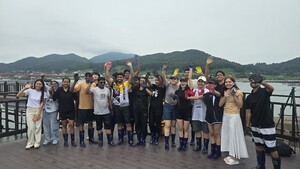
Save this before you make the same Korea mistake many international students make once: only checking Seoul events and missing the local programs your university or city may already be organizing. A July 7, 2026 Korea life signal reported that international students from Changshin University joined a hands-on traditional fishing culture experience in Namhae, showing why campus life in Korea can include much more than classes, cafés, and immigration paperwork.
Quick answer: If you are an international student in Korea, check your university’s international office, local government notices, and campus announcements for cultural experience programs. They can help you understand Korean local life, meet other students, and explore regions like Namhae, but you should always verify schedule, cost, insurance, transportation, and whether participation affects your visa status before joining.
Why this matters for Korea watchers
Many international students search for “study in Korea” and focus on visas, housing, part-time jobs, and TOPIK. Those are important. But daily life in Korea also becomes easier when you understand how local communities work outside the classroom.
The Namhae case is a useful example. According to a Naver News Korea Life Signals item collected on July 7, 2026, foreign students studying at Changshin University experienced Jukbangryeom, a traditional fishing method associated with Namhae and recognized as a world important agricultural heritage in the source summary.
For a student in Korea, this is not just a “tour.” It is a reminder to look for local government and university-linked experiences that can teach you how Korea works beyond Seoul, Busan, or campus neighborhoods.
Key facts from the Korea life signal
| Item | What is known | Why it matters for international students |
|---|---|---|
| Source signal | Naver News Korea Life Signals, collected for the query “외국인유학생 한국” | This topic is relevant to students tracking life, campus, visa, and local updates in Korea. |
| Publication date | 2026-07-07 | Use the date when checking whether the program was a past event or part of a recurring local initiative. |
| Place | Namhae, South Korea | Namhae is outside the usual Seoul-centered student experience, so transport and schedule planning matter. |
| Participants mentioned | International students from Changshin University, including students from Nepal, Mongolia, and Timor-Leste | Shows that campus-linked local programs may be open to students from various Asian countries, depending on the organizer. |
| Main activity | Hands-on experience of Namhae’s Jukbangryeom fishing culture | A practical example of learning Korean local culture through direct participation, not only lectures or museums. |
What happened
The reported event centered on Jukbangryeom, a traditional fishing method connected to Namhae. The source summary describes it as something students could experience directly and as part of Korea’s traditional fishing and fishing-village culture.
The participating students were from Changshin University, with countries including Nepal, Mongolia, and Timor-Leste mentioned in the source summary. The activity reportedly took place on July 3, before the July 7, 2026 news signal.
For international readers, the important point is not only the event itself. It is the pattern: Korean universities and local governments sometimes connect foreign students with regional culture programs. These can be easy to miss if you only follow national immigration updates or major city event calendars.
What international students should know
If you are studying in Korea, local experience programs can be useful for three practical reasons.
First, they help you understand Korea outside the “student bubble.” A fishing-village experience in Namhae is very different from a university neighborhood in Seoul, Changwon, Daegu, or Busan. You may learn local food habits, regional speech styles, community etiquette, and transportation realities.
Second, these programs can be a low-pressure way to meet people. International students often struggle to make friends beyond classmates. A day program gives you a shared activity, which can make conversation easier.
Third, they help you build cultural confidence. Knowing how to join a local program, follow instructions in Korean or English, and move with a group can reduce stress when you later travel alone in Korea.
But there is one important warning: do not assume every cultural program is officially connected to your visa, school record, scholarship, or attendance requirement. If a program matters for your student status, your university should clearly explain that. If it does not, treat it as a cultural activity and check the practical details before joining.
Local context most people miss
Many Korea visitors know hanbok, palaces, K-pop locations, and street food. Fewer know that Korea also has regional heritage experiences tied to fishing villages, farming villages, local festivals, and county-level tourism programs.
Namhae is a good example of this wider Korea. The source summary highlights Namhae’s Jukbangryeom fishing as something foreign students could experience directly. That matters because Korea’s local identity is not only built around big cities. Coastal towns, islands, mountains, and farming areas often have their own heritage programs.
For students, this changes how you should search. Instead of only searching “things to do in Seoul,” try combinations like:
- your university name + “international students”
- your city or county name + “foreign students”
- your region + “cultural experience”
- “외국인 유학생” + your school name
- “문화체험” + your city name
This is especially useful if you live outside Seoul. Smaller cities may have fewer English listings, but your university office may know about programs before they become visible on global travel platforms.
What to check next before joining a local program
Before you sign up for a student cultural experience in Korea, check the details like you would check a visa appointment or housing contract. A fun program can become stressful if transportation, cost, or schedule is unclear.
- Organizer: Is it your university, a local government, a tourism office, or a private group?
- Date and meeting point: Is the meeting place on campus, at a bus terminal, or at the destination?
- Cost: Is it free, subsidized, or paid? Are meals and transport included?
- Language support: Will instructions be in Korean, English, or another language?
- Insurance and safety: For outdoor or hands-on activities, ask what safety guidance is provided.
- Visa relevance: If you are on a student visa, confirm that the activity does not conflict with class attendance, work rules, or required reporting.
- Photos and media: Ask whether photos or videos may be taken and used publicly.
This last point matters more than many students expect. Local programs sometimes invite media or use group photos for promotion. If you are uncomfortable being photographed, ask before the event starts.
Visa and immigration note for students in Korea
This Namhae item is a Korea life and study-in-Korea signal, not an immigration rule update. It does not say that joining a cultural program changes visa status, gives work permission, or replaces any reporting duty.
If you hold a Korean student visa, keep immigration questions separate from event participation. For visa status, part-time work permission, address reporting, and stay-period issues, verify through your university’s international office and official Korean immigration channels before making decisions.
A simple rule helps: cultural programs are for experience and adjustment; immigration rules are handled through official offices.
Useful Korean phrase
문화체험 프로그램 신청하고 싶어요.
“I would like to apply for a cultural experience program.”
You can use this phrase at a university international office, student affairs office, or local community center. If you want to ask whether foreigners can join, add:
외국인 유학생도 참여할 수 있나요?
“Can international students also participate?”
Why this is credible
The core facts in this article come from a Naver News Korea Life Signals candidate dated 2026-07-07, pointing to a NewsGN article titled “이런 체험은 처음! 외국인도 반한 남해 죽방렴”. The candidate summary identifies Namhae, Changshin University, international students from countries including Nepal, Mongolia, and Timor-Leste, and the Jukbangryeom traditional fishing experience.
What you should still verify: whether the same or similar program is currently open, who can apply, whether there is a fee, where the meeting point is, and whether your school treats participation as optional or connected to any campus requirement. Do not make visa, attendance, or travel decisions from a news item alone.
FAQ
Is this a visa update for international students in Korea?
No. This is a Korea life and study-in-Korea signal about international students joining a local cultural experience in Namhae. For visa rules, always check with Korean immigration or your university’s international office.
What is Jukbangryeom?
Jukbangryeom is a traditional fishing method associated with Namhae. The source summary describes it as a world important agricultural heritage and as part of Korea’s traditional fishing and fishing-village culture.
Can any foreign student join programs like this?
Not automatically. Eligibility depends on the organizer, school, location, schedule, and available places. Ask your university’s international office or the local program organizer directly.
Why should students outside Seoul care?
Because many useful Korea experiences are local. If you study in a regional city, your school or local government may offer programs that are easier to join than major Seoul events.
What should I check before joining a Korean cultural experience program?
Check the organizer, cost, transportation, language support, safety guidance, photo policy, and whether participation affects your class schedule or visa-related obligations.


댓글
댓글 쓰기