Korean Is Now a Top 3 Language in the U.S. Music Market: What K-pop Fans Should Notice
K-pop fans are paying attention to this because it is not just about one comeback or one fandom trend. Korean reportedly rose to No. 3 among leading languages in the U.S. music market in Q1, which is a useful signal for anyone tracking how far Korean-language music has moved into everyday global listening.
Why this matters for Korea watchers
If you follow K-pop, Korean dramas, Korean language learning, or Korea travel culture, this is the kind of signal worth saving. It suggests that Korean is not only being consumed as “foreign-language content” by a niche audience, but is becoming more visible inside one of the world’s most competitive music markets.
For fans, the practical meaning is simple: Korean lyrics, Korean stage language, Korean fan chants, and Korean media moments are becoming easier to encounter outside Korea. That can affect playlists, concert demand, subtitles, language-learning interest, and even how non-Korean fans talk about songs online.
It also helps explain why international fans increasingly recognize Korean words without formally studying the language. Words heard in songs, fan content, livestreams, drama soundtracks, and performance clips can travel faster than classroom vocabulary.
What happened
Korea.net reported on June 26, 2026, that Korean rose to third place among top languages in the U.S. music market during Q1. The article was published under Korea.net’s culture coverage and connected the trend to K-pop’s global presence.
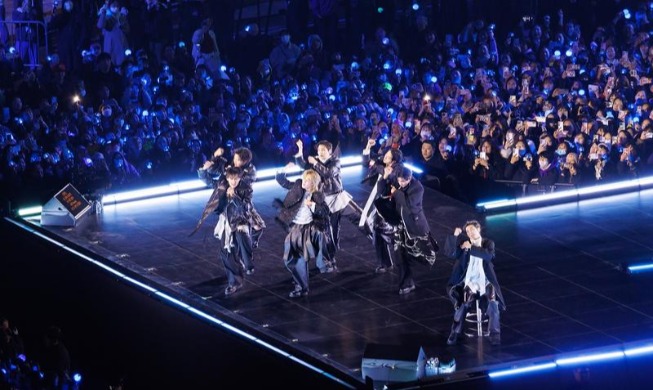
The candidate source also includes a Korea-related performance reference: BTS was described as presenting “BTS Comeback Live: Arirang” on March 21 at Gwanghwamun Square in Seoul’s Jongno-gu District. That detail matters because Gwanghwamun is not just a concert backdrop; it is one of Seoul’s most symbolic public spaces.
| Fact to note | What it says | Why fans should care |
|---|---|---|
| Language ranking | Korean rose to No. 3 among top languages in the U.S. music market in Q1. | This points to wider U.S. visibility for Korean-language music, not just isolated fandom activity. |
| Market mentioned | United States music market | The U.S. is a major global pop market, so language visibility there can shape international attention. |
| Timeframe | Q1 | The ranking refers to a specific quarter, so readers should avoid treating it as a permanent all-year result. |
| Official publication date | June 26, 2026 | This helps readers check whether newer rankings or updates have appeared since then. |
| Korea location reference | Gwanghwamun Square, Jongno-gu, Seoul | Shows how K-pop events can connect global fandom with recognizable Seoul landmarks. |
Read the ranking carefully: “No. 3 language” does not automatically mean every Korean artist ranked third, or that every K-pop release performed equally. It is a broader language-level signal, so it should be understood as a cultural trend marker rather than a single-artist scorecard.
What international readers should know
The biggest point is that language is becoming part of the K-pop story. In the past, international coverage often focused on choreography, visuals, fandom power, and streaming records. Those still matter, but Korean itself is now part of the attraction.
For new fans, this can change how you experience K-pop. You may start noticing repeated words in lyrics, common phrases in fan messages, or Korean terms used without translation in global fan spaces.
For long-time fans, it confirms something many already felt: Korean-language songs no longer need to be fully translated before they can travel. A track can keep its Korean identity and still reach listeners who do not speak Korean fluently.
That does not mean translation is unnecessary. Subtitles, lyric translations, and fan explanations still make a huge difference. But the ranking suggests that Korean is increasingly accepted as part of the listening experience itself.
Local context most people miss
The Gwanghwamun Square detail is easy to skip, but it gives useful Korea context. Gwanghwamun is located in central Seoul, near government buildings, historic sites, and major public gathering areas. When a major Korean cultural event is connected to that space, it places K-pop inside a larger Korean identity frame, not just inside entertainment venues.
That matters for international fans planning Korea trips. Many fans visit entertainment-company areas, pop-up stores, cafes, album shops, or concert venues. But Seoul’s symbolic public spaces also appear in Korean pop culture moments, official events, broadcasts, and large-scale performances.
If you are visiting Seoul as a K-pop fan, Gwanghwamun is not a “K-pop neighborhood” in the way some people think of areas like Hongdae or Gangnam. Still, it can be part of a culture-focused route because it connects modern Korea, public events, history, and city scenery.
In other words: K-pop’s global rise does not only happen on streaming apps. It also appears in how Seoul presents culture to the world.
What to check next
If you are trying to understand this trend as a fan, language learner, traveler, or culture watcher, do not stop at the headline. Use it as a starting point.
- Check the timeframe: This ranking refers to Q1, so compare it with later quarters when available.
- Separate language from artist ranking: A language ranking is not the same as a chart position for one group or singer.
- Watch playlist behavior: Notice whether Korean-language tracks appear in U.S.-focused playlists, radio-style mixes, or recommendation feeds.
- Look at subtitle habits: More Korean-language exposure often increases demand for lyric translations and Korean learning content.
- For Korea travel: If a performance or broadcast mentions a Seoul location, check whether it is a public landmark, paid venue, or temporary event site before visiting.
A useful fan question is: Did this reach your side of the fandom? If Korean-language songs are appearing more often in your local playlists, fan edits, cafes, school clubs, dance teams, or social feeds, this wider language signal may already be visible around you.
How to read this without overhyping it
This kind of news is exciting, but it is easy to misread. A No. 3 language signal in one quarter does not mean Korean has replaced English in the U.S. music market. It also does not mean every Korean release automatically has mainstream reach.
The safer reading is this: Korean-language music has become prominent enough to be measured and discussed at a high level in the U.S. music context. That is meaningful because language used to be treated as one of the biggest barriers for non-English pop music.
For international fans, the takeaway is not “K-pop has finished going global.” The better takeaway is “Korean-language music is now visible enough that the language itself is part of the global music conversation.”
FAQ
Does this mean Korean is the third most spoken language in the U.S.?
No. The source context is the U.S. music market, not the general population or daily language use. It refers to music-market language visibility, so do not confuse it with census-style language data.
Is this only about BTS?
The candidate source mentions BTS and a March 21 performance reference, but the ranking is about Korean as a language in the U.S. music market. It should not be reduced to one artist unless the original article provides that specific breakdown.
Why is Korean-language music popular with listeners who do not speak Korean?
Fans often connect through melody, performance, choreography, visuals, artist personality, subtitles, fan translations, and community culture. Korean lyrics can remain part of the appeal even when listeners rely on translations to understand the full meaning.
Should K-pop fans start learning Korean?
You do not need Korean to enjoy K-pop, but learning even basic words can make lyrics, livestreams, fan signs, variety clips, and concert moments easier to enjoy. Start with greetings, music terms, and repeated lyric phrases.
Is Gwanghwamun Square a place K-pop fans should visit?
It can be worth visiting if you are interested in Seoul’s public landmarks and Korean culture more broadly. However, do not assume a past event means there is always a K-pop attraction there. Check current event schedules before going.
Useful links
Why this is credible: The core facts used here come from the Korea.net item listed below: the June 26, 2026 publication date, the U.S. music-market language ranking, and the Seoul performance-location reference. Readers should check the original article for the full context before using the ranking in research, school work, media posts, or fan claims.
