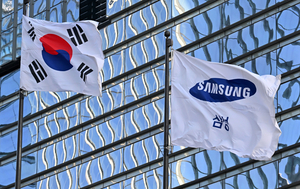
Before You Book Korea: Why Samsung’s AI Push Matters for Travelers
Before you plan a Seoul-only Korea trip, check this trend: Korea’s next big tech story may be spreading beyond the capital. A reported Samsung investment plan worth up to 1,000 trillion won, or about $646 billion, is not a tourist announcement — but it is a useful signal for travelers who follow Korean tech, K-culture, work trips, conferences, or “future Korea” itineraries.
Why this matters for Korea watchers
Many international visitors still think of Korea through one main route: fly into Seoul, shop in Myeong-dong, visit palaces, eat barbecue, and maybe take a day trip. That is still a classic first trip.
But Korea is also trying to make its high-tech growth less Seoul-centered. The Korea Herald reported on June 26, 2026, that Samsung Group is reportedly preparing a long-term investment plan that could reach 1,000 trillion won. The plan is said to include semiconductors, artificial intelligence, and next-generation batteries.
For travelers, the key point is not “go visit a chip factory.” It is this: Korea’s travel map, event map, hotel demand, and regional curiosity may keep expanding as big tech investment becomes part of national growth strategy.
If you are visiting Korea for a conference, exchange program, startup event, tech meetup, K-pop trip, or work-adjacent vacation, this is the kind of background that helps you understand why certain places, transport routes, and local events may start getting more attention.
What happened
According to The Korea Herald, Samsung Group is reportedly considering a long-term investment plan worth as much as 1,000 trillion won, around $646 billion. The report says the plan was discussed during a dinner meeting between President Lee Jae Myung and Samsung Electronics Chairman Lee Jae-yong at Cheong Wa Dae on Thursday.
The reported areas include semiconductors, artificial intelligence, and next-generation batteries. The bigger national angle is Korea’s push to connect chip and AI ambitions with regional growth beyond Seoul.
| Point to check | What is known from the report | Why travelers should care |
|---|---|---|
| Reported investment scale | Up to 1,000 trillion won, about $646 billion | Signals that Korea’s tech economy may remain a major travel and event theme |
| Main fields | Semiconductors, artificial intelligence, next-generation batteries | Useful context for tech conferences, study trips, and innovation-focused visits |
| Political-business setting | Reportedly discussed at Cheong Wa Dae with President Lee Jae Myung and Samsung Chairman Lee Jae-yong | Shows the issue is tied to national strategy, not only company news |
| Travel relevance | Broader regional growth beyond Seoul is part of the reported direction | Good reason not to assume every Korea itinerary has to be Seoul-only |
| Publication date | June 26, 2026 | Use the date when checking whether later official details have changed |
Read this table as a travel signal, not a confirmed visitor guide. It does not mean new tourist sites are open, and it does not change visa or entry rules. It simply explains why “Korea beyond Seoul” may become a more common search theme.
What international readers should know
If you are visiting Korea soon, nothing in the report suggests you need to change flights, cancel hotels, or rearrange your trip immediately. This is not a public transport notice or a festival schedule.
But it can help you plan smarter if your Korea trip has a tech, work, or culture-research angle.
- If you are a first-time tourist: Seoul is still the easiest base, but keep one flexible day if you want to explore Korea’s regional side.
- If you are coming for a conference or business meeting: check whether your event has side programs outside Seoul.
- If you are a student or researcher: AI, chips, and batteries are useful keywords when searching for Korea lectures, exhibitions, or campus events.
- If you are a K-culture fan: remember that Korea’s global image is not only entertainment. Tech, beauty, food, gaming, and lifestyle often overlap.
- If you are a digital nomad or long-stay visitor: regional Korea may become more interesting as national attention spreads beyond the capital.
The practical takeaway is simple: do not build your Korea understanding only around Seoul nightlife and palace photos. Korea’s next decade may be shaped just as much by AI labs, battery supply chains, semiconductor clusters, and regional development debates.
Local context most people miss
Cheong Wa Dae is more than a photo spot. International travelers often know it as the former presidential compound in Seoul, but in Korean news, a meeting there can carry strong political symbolism.
That is why the reported dinner setting matters. It places Samsung’s possible investment plan inside a bigger national conversation: how Korea wants to compete in strategic industries while spreading growth more widely.
For visitors, this can change how you read local headlines during your trip. When you see news about “AI,” “semiconductors,” or “regional growth,” it may not be abstract business news. It can connect to university programs, local government promotions, job fairs, exhibitions, transport planning, and hotel demand around major events.
A useful Korean phrase here is “지방 균형 발전” (jibang gyunhyeong baljeon), meaning “balanced regional development.” You may see this idea in Korean news when the country talks about reducing overconcentration in Seoul.
What to check next
If you are planning a Korea trip around tech, events, study, or work, use this as a pre-trip checklist rather than a reason to panic.
- Check your itinerary: are you visiting only Seoul because it is best for you, or just because you did not look beyond it?
- Search event calendars: look for Korea events using terms like AI, semiconductor, battery, startup, and technology week.
- Verify locations: if an event or meetup is outside Seoul, check train times and last transport before booking.
- Do not assume public access: corporate facilities, research sites, and industrial areas are usually not tourist attractions.
- Watch hotel timing: big conferences can make nearby hotels more expensive or harder to book.
- Check official travel rules separately: investment news does not replace visa, entry, or safety information.
One simple scenario: if you are coming to Korea for a K-pop concert and also want a “future Korea” day, do not just search “Samsung tour.” Instead, search for public museums, exhibitions, university events, design spaces, or technology showcases that are actually open to visitors.
FAQ
Does this mean Samsung will open new tourist attractions?
No. The report is about a possible long-term investment plan, not a visitor attraction announcement. Do not assume factories, research centers, or company facilities will be open to the public.
Should I change my Korea travel plan because of this?
Not automatically. If your trip is mainly food, shopping, palaces, K-pop, or beauty, your plan may not change at all. But if you care about Korea’s future industries or want a deeper itinerary, it is a reason to look beyond Seoul.
Why is “beyond Seoul” important?
Korea’s capital is powerful and convenient, but the report frames Samsung’s possible investment in connection with broader regional growth. For visitors, that means regional Korea may become more visible in news, events, and travel planning.
Is the 1,000 trillion won figure confirmed?
The Korea Herald describes it as a reported long-term plan being considered. Treat the number as a news signal and check later official announcements before making business, study, or travel decisions based on it.
What should tech-focused travelers search before visiting Korea?
Try combinations such as “Korea AI event,” “Korea semiconductor exhibition,” “Korea battery conference,” “Seoul tech event,” and “Korea startup event.” Always confirm the venue, language, ticket rules, and visitor access on the event’s official page.
Useful links
Why this is credible: the investment scale, reported meeting, date, industries, and “beyond Seoul” angle come from The Korea Herald article listed below. Travel implications in this post are practical context for readers, not official government or Samsung instructions. Do not make visa, investment, job, or booking decisions without checking the relevant official source or event organizer.
