Studying in Busan? Don’t Miss the Campus Events Foreign Students Use to Settle In
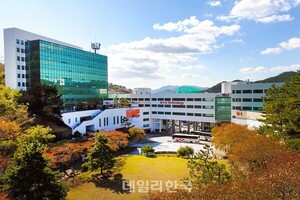
Studying in Busan? Don’t Miss the Campus Events Foreign Students Use to Settle In
Save this before you make the same Korea mistake many new international students make once: only checking visa paperwork and class schedules, while missing the campus events that help you understand daily life faster.
Quick answer: A Korea news signal on July 7, 2026 reported that Youngsan University held a Busan marine culture experience program for 320 foreign Korean-language trainees, including students from Vietnam and China. If you are planning to study in Korea, this is a useful reminder to check your university’s international office notices, not just immigration updates.
Why this matters for Korea watchers
If you are searching for “foreign students in Korea,” “study in Busan,” or “Korean language trainee life,” you probably want more than a school name. You want to know what daily life may actually look like after arrival.
This update is useful because it shows one practical part of studying in Korea that students often overlook: universities may run local culture programs for international students, and those programs can help with adjustment, friendships, and understanding the city.
For visa and immigration readers, the key point is not that a cultural event changes your visa status. It does not. The useful takeaway is that your school’s international student support system can matter after you enter Korea, especially if you are a language trainee trying to adapt quickly.
What happened
According to a Korea news item surfaced through Naver News Korea Life Signals, Youngsan University organized a Busan marine culture experience for foreign language trainees. The source title was “영산대, 외국인 유학생 과 부산 해양문화 체험 진행.”
The event was described as a way to give foreign language trainees a chance to rest, experience local culture, expand exchange among trainees, and improve satisfaction with study life in Korea.
The report said the event included 320 foreign language trainees from countries including Vietnam and China, along with Korean-language teachers.
| Item | What is known from the source | Why it matters for students |
|---|---|---|
| Country / city context | South Korea; Busan marine culture experience | Busan is not just a study location. Local culture programs can become part of student life. |
| Institution | Youngsan University | International students should check university-level notices, not only national immigration pages. |
| Participants | 320 foreign Korean-language trainees | A large student group suggests the event was designed for international student adjustment and exchange. |
| Student backgrounds mentioned | Vietnam, China, and other countries | Students from different language and cultural backgrounds may be grouped together in Korean-language programs. |
| Published date | July 7, 2026 | Use the date when checking whether the article reflects a current or past campus activity. |
This is not a visa announcement. Treat it as a Korea life signal: campus support and local experiences may be part of how international students settle into study life.
What international readers should know
If you are preparing to study in Korea, you may spend most of your time checking admission documents, visa categories, housing, and part-time job rules. Those are important. But once you arrive, your daily success often depends on smaller systems: orientation, teacher support, student groups, and local experience programs.
A cultural activity like a Busan marine experience can help students in three practical ways.
- You meet other students early. This matters if you arrive without friends or family in Korea.
- You learn the city outside the classroom. For Busan students, the sea and port culture are part of local identity.
- You find the right office to ask for help. Events are often connected to Korean-language teachers or international student support staff.
For anyone on a student visa or preparing for language training in Korea, this is the practical habit to build: check your school’s official channels every week after admission, not only before your visa appointment.
Local context most people miss
Many international students imagine Korean university life as a simple routine: class, dorm, food, subway, repeat. In reality, schools may create structured activities to help foreign students adjust. These can be especially helpful for students who are still learning Korean.
The Youngsan University case also shows why Busan is different from Seoul. In Busan, “local culture” often connects to the sea, coastal spaces, ports, and marine identity. A Busan-based campus event may therefore look different from a Seoul walking tour or a traditional culture class.
One important warning: do not assume every campus event is free, mandatory, visa-related, or open to all students. The source only identifies this specific event and its participants. Before joining any activity, check the official notice from your university.
What to check next
If you are an international student in Korea, or planning to become one, use this as a checklist for your own school.
- Check the international office notice board. Look for “foreign student,” “language trainee,” “Korean language program,” or “문화체험” notices.
- Ask whether the event is for degree students or language trainees. Some programs are only for specific groups.
- Confirm cost and transportation. Do not assume the university covers every expense unless the official notice says so.
- Check attendance rules. If you are in a Korean-language course, ask whether participation affects class attendance or program records.
- Keep visa matters separate. Cultural events are not a substitute for immigration compliance. Visa rules should be checked through official immigration channels.
What to verify before acting: confirm the event date, eligibility, fee, meeting place, insurance or safety notice, and whether the program is run directly by your university. For immigration matters, verify through official Korean immigration sources, not social media posts.
Useful Korean phrase
If you want to ask your school about events, this sentence is useful:
외국인 유학생 문화체험 프로그램이 있나요?
Oegugin yuhaksaeng munhwa-cheheom peurogeuraemi innayo?
“Is there a cultural experience program for international students?”
You can also ask:
어학연수생도 신청할 수 있나요?
“Can Korean-language trainees apply too?”
FAQ
Does this Youngsan University event affect student visas in Korea?
No. The reported event is a campus culture experience, not a visa policy change. Student visa status, extension, work permission, and immigration reporting should be checked through official immigration channels.
Who was the event for?
The source says it involved 320 foreign language trainees, including students from Vietnam and China, along with Korean-language teachers. If you are a degree student, exchange student, or language trainee elsewhere, check your own university’s eligibility rules.
Why should international students care about campus culture programs?
They can help you adjust faster. Programs like this may introduce local culture, help students meet classmates, and make it easier to ask teachers or staff for support.
Is Busan a common study destination for foreign students?
Busan is one of Korea’s major cities and has universities that host international students. This specific source points to a Busan marine culture experience at Youngsan University, so students interested in Busan should check individual university programs directly.
Where should I check official visa information for Korea?
Use official Korean immigration channels for visa rules and your university’s international office for campus-specific notices. Do not rely only on news articles, blogs, or student group chats when making visa decisions.
Useful links
Why this is credible: The event details in this article come from a July 7, 2026 Korea news item surfaced through Naver News Korea Life Signals and linked to Daily Hankook. The practical checklist is editorial guidance for international students. Before making decisions about enrollment, attendance, fees, or visa status, confirm the details with the university or Korean immigration authorities.


댓글
댓글 쓰기