Korean Stock Headlines in 2026: Why “Foreigners Took Profits” Can Be a Costly Trap for Foreign Residents
Korean Stock Headlines in 2026: Why “Foreigners Took Profits” Can Be a Costly Trap for Foreign Residents
If you live in Korea, it is easy to hear a coworker, classmate, or online community mention a “hot” Korean stock or ETF and feel you are already late. The costly mistake is not missing one headline. It is copying a trade before you understand words like 외국인, 개미, 차익실현, and LETF. This guide helps foreign residents read Korean stock headlines more safely, especially when the news says foreign investors took profits while retail investors were left with loss risk.
Quick answer: 삼전닉스 번 만큼 외국인 차익실현…개미 ‘불나방’ 만든 단종Letf [홍 is useful if it connects to your study, travel, or local plans in Korea. Use the report to understand the opportunity, then check Naver News Korea Life for dates, eligibility, route, fee, or application details before making plans.
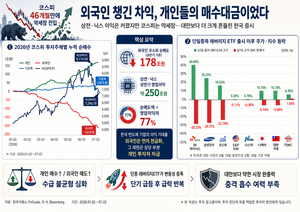
Direct answer: A July 9, 2026 Herald Business article shared through Naver described foreign investors taking profits near a high point while many individual investors faced loss risk after chasing a leveraged product. If you are a foreign resident in Korea, treat that kind of headline as a warning to check the product type, risk notice, and timing before you act.
What the headline really means for someone living in Korea
The Korean headline refers to a familiar pattern in the local market: foreign investors realized gains, while individual investors — often called 개미, or “ants” — supported high prices and became exposed to losses.
That does not mean every foreign investor made money or every individual investor lost money. It means the article was pointing to a risk pattern: some investors bought into a product after the easier gains may already have happened.
This is easy to miss if you only translate the headline word by word. Korean finance headlines often use short market slang, and those words carry assumptions that a foreign resident may not have learned yet.
The key risk: LETF is not just “an ETF with a fancy name”
One important term in the headline is LETF, which usually means a leveraged exchange-traded fund. A leveraged ETF is designed to move more sharply than the asset or index it follows.
That can make gains look attractive when the market is rising. But losses can also grow faster, especially if someone buys after a strong move because the product is trending on Korean news or in a brokerage app.
The important part is not the famous company name in the discussion. The important part is the product structure. A normal stock, a regular ETF, a leveraged ETF, and an inverse product can behave very differently.
Quick guide to the Korean terms you should know first
| Korean term | Plain English meaning | What you should do next |
|---|---|---|
| 외국인 | Foreign investors in market data | Do not assume this means foreign residents like you. It usually refers to investor trading flow. |
| 개인 | Individual investors | Check whether the article says individuals are buying, selling, or facing losses. |
| 개미 | Retail investors, literally “ants” | Treat emotional “개미” headlines as a reason to slow down, not rush in. |
| 차익실현 | Profit-taking | Ask whether the headline is describing something that already happened. |
| 고점 | High point or peak area | Be careful if the article says buyers entered near a high point. |
| 레버리지 | Leverage | Check whether the product can amplify losses as well as gains. |
| 손실 위험 | Risk of loss | Read the product warning before using a brokerage app. |
| 상장폐지 | Delisting | Confirm the product status if a headline mentions termination or discontinuation. |
Why this matters more if you are a foreign resident in Korea
Foreign residents in Korea often pick up finance news socially: from coworkers, KakaoTalk chats, campus friends, YouTube clips, or Korean portal headlines. That makes the headline feel familiar before the risk is clear.
You may recognize names like Samsung Electronics or SK hynix. But recognizing a company name is not the same as understanding the investment product being discussed.
That sounds small, but it can matter when you are actually deciding whether to open a position, hold a product, or avoid it completely. A headline about profit-taking is often about the past. It is not automatically a buying guide.
The numbers in the article give a bigger Korea-life clue
The article summary also mentioned a household asset comparison: one reference to real estate at 30%, and Korea’s household assets being over 75% in real assets such as property.
For daily life in Korea, this helps explain why money conversations often jump between stocks, housing, deposits, savings, and family assets. Korean personal finance culture is not only about brokerage apps. Property still plays a major role in how many households think about wealth.
Asset-share figures mentioned in the July 9, 2026 article summary
Do not turn these numbers into a personal finance plan. Use them as context: in Korea, fast-moving stock stories often sit beside a property-heavy household wealth culture.
Before you tap “buy” in a Korean brokerage app, check this
If you are short on time, start with the checklist below. It is designed for the moment when a Korean headline looks urgent and your app makes it too easy to act quickly.
| Check | Korean words to look for | Why it matters |
|---|---|---|
| Product type | ETF, ETN, 레버리지, 인버스 | A leveraged or inverse product can move very differently from a normal share. |
| Risk warning | 투자위험, 원금손실, 고위험 | These words tell you the product may involve serious loss risk. |
| Product status | 상장폐지, 조기청산, 만기 | If the headline mentions a discontinued or terminated LETF, status matters before anything else. |
| Who is trading | 외국인, 기관, 개인 | Korean market articles often separate foreigners, institutions, and individuals. |
| Timing | 고점, 차익실현, 손실 | The article may be describing a move that already happened, not a new opportunity. |
| Your account situation | 외국인 계좌, 세금, 거래 가능 | Foreign residents should confirm whether the product is available and how it is treated in their account. |
A simple question that can prevent a rushed decision
When you see a Korean stock product you do not fully understand, ask this first:
“이 상품은 레버리지 상품인가요?”
“Is this a leveraged product?”
You can use the phrase when asking a Korean-speaking friend, reading a brokerage product page, or contacting customer support. It will not answer every investment question, but it helps separate ordinary products from higher-risk structures.
The next question is just as important:
“이 뉴스는 이미 지난 움직임을 말하는 건가요?”
“Is this news describing a move that already happened?”
Many costly mistakes begin when a person treats past profit-taking as if it were a fresh opportunity.
What to be careful about
This article is not investment advice. It is a reading guide for foreign residents who see Korean finance headlines and want to avoid misunderstanding the wording.
Before making a financial decision, check the original article, the product notice, your brokerage app’s risk disclosure, and any account or tax conditions that apply to your residency status. One careful check can prevent a decision based only on a dramatic headline.
Why this source is useful
The facts here come from a Herald Business article shared through Naver and dated July 9, 2026. The article summary supports three practical points: foreign investors took profits, individual investors faced loss risk, and Korea’s household asset context includes a heavy share of real assets such as property.
What the article should help you do is read Korean market language more carefully. What it should not do is become your only reason to buy, sell, or hold a product.
Original article: Herald Business article on foreign profit-taking, retail investors, and LETF risk
Related Korea-life reading
If you are trying to avoid everyday money mistakes in Korea, payment habits are also worth understanding. Read next: Korea Travel Payment Warning: Contactless Use Is Reported at Just 10%.
FAQ
Does “외국인” in Korean stock news mean foreign residents living in Korea?
Usually, no. In stock-market news, 외국인 normally refers to foreign investor trading flow, which can include overseas institutions, funds, or foreign-registered investors. It does not usually mean ordinary foreign residents personally.
What is the main lesson from this July 9, 2026 headline?
The main lesson is to avoid chasing a product after reading that others already took profits. First check whether the product is leveraged, whether the move already happened, and whether the risk notice matches your tolerance.
Is a LETF the same as a regular ETF?
No. A LETF usually means a leveraged ETF. It is designed to amplify market movement, so it can create faster losses as well as faster gains.
Should foreign residents avoid all Korean ETFs?
No. The point is not to avoid every ETF. The point is to know the difference between a regular ETF, leveraged ETF, inverse product, and ETN before buying anything through a Korean brokerage app.
What should I check first if a Korean finance headline feels urgent?
Check the product type first. Look for words such as 레버리지, 인버스, 원금손실, 상장폐지, and 조기청산. Then read the product notice instead of relying only on the headline.
Final takeaway
For foreign residents in Korea, a headline saying “foreigners took profits” is not an instruction to copy foreign investors. A headline saying “개미 rushed in” is not proof that the product is safe.
Your next step is simple: save the Korean terms in the checklist, open the original article, and search the exact product name with 레버리지, 위험, and 상장폐지 before treating any Korean stock headline as an action plan.
Before you move on
Save the checklist, open the official source, and verify the detail that affects your next decision. Check the official source.


댓글
댓글 쓰기