Korea Travel Budget 2026: Why the 2.6% Inflation Forecast Means You Should Recheck Costs Before Booking
Korea Travel Budget 2026: Why the 2.6% Inflation Forecast Means You Should Recheck Costs Before Booking
Quick answer: 올해 물가 전망 2.1→2.6% 상향…정부, 유류·먹거리·공공요금 안정 총 matters if it changes where you might go, when to visit, or what local experience is available outside the usual Seoul route. Use it as a planning lead, then match the route, date, and booking details with the original article or local notice.
A Korea itinerary built with last year’s restaurant menus, transport fares, or rental-car estimates can leave you spending more than expected. Korea’s 2026 inflation forecast has been raised from 2.1% to 2.6%, with fuel, food, and public charges receiving particular government attention. That does not mean your entire trip will become exactly 2.6% more expensive, but it is a clear reason to replace old estimates before making non-refundable bookings.
This guide will help you identify which travel costs need a fresh price check, which expenses you can lock in early, and where to leave flexibility in your budget.
Direct answer
Do not add 2.6% to every item in your itinerary. Use live prices for accommodation, transportation, food, and car-related expenses, then keep a separate contingency amount for costs that cannot be fixed before arrival.
- The 2026 inflation forecast increased by 0.5 percentage points, from 2.1% to 2.6%.
- Food and fuel deserve extra attention because they can affect everyday spending and road travel.
- The best response is to update your budget category by category—not apply one percentage to everything.
What does the 2.6% forecast actually mean for your trip?
The revised figure is an economy-wide inflation outlook. It is not a prediction that hotel rooms, airline tickets, subway fares, restaurant meals, and attraction tickets will each rise by 2.6%.
Those travel costs follow different pricing patterns. Accommodation can change with season and demand. Airfares depend heavily on route and booking time. Restaurant prices vary by neighborhood, while public transportation fares depend on decisions by the relevant city or operator.
The important part is not the percentage by itself. It is the risk of combining a current hotel booking with food, transport, and activity estimates copied from older travel posts.
This is easy to miss when flights and accommodation take most of your attention. Small daily expenses begin to matter once you add airport transport, snacks, cafés, local buses, taxis, attraction tickets, and service charges across several days.
| Reported development | Figure or category | How travelers should use it |
|---|---|---|
| Previous inflation forecast | 2.1% | Recognize that plans based on the earlier outlook may need updating. |
| Revised 2026 forecast | 2.6% | Refresh individual prices rather than increasing the whole budget by 2.6%. |
| Size of the revision | 0.5 percentage points | Treat older cost guides with more caution, especially when they have no visible update date. |
| Price-stability priorities | Fuel, food, public charges | Review meal budgets, driving costs, and current transport fares separately. |
| Tourism context | More foreign visitors were linked to an improving travel account | Book time-sensitive parts of popular itineraries instead of assuming availability. |
How large was the forecast revision?
Previous forecast: 2.1%
Revised forecast: 2.6%
Forecasts reported by News1 on July 14, 2026. Difference: 0.5 percentage points.
The chart compares only the old and revised inflation forecasts. It does not show expected changes in airfare, hotel rates, restaurant prices, or public transportation fares.
Which Korea travel costs should you update first?
1. Food and café spending
Food was named among the government’s price-stability priorities, making it one of the most relevant categories for visitors. However, that does not mean restaurant prices are frozen or that every menu will become more expensive at the same rate.
Build your daily food allowance around the places you actually plan to use. A convenience store, traditional market, neighborhood restaurant, department store, café district, and tourist-focused venue can sit in very different price ranges—even within the same city.
Recent menu images can help, but look for a visible date. An undated menu photo should be treated as an example, not a guaranteed current price.
2. Airport and local transportation
Do not assume that “public charges” automatically means a subway or bus fare increase. The economic category is broader than public transportation, and the reported details do not establish a specific transit-fare change.
Instead, divide transportation into separate lines:
- Airport transfer
- Subway and city bus travel
- Intercity trains or express buses
- Taxis
- Rental cars, fuel, tolls, and parking
This makes it easier to replace one outdated fare without rebuilding the entire itinerary.
3. Rental-car and road-trip expenses
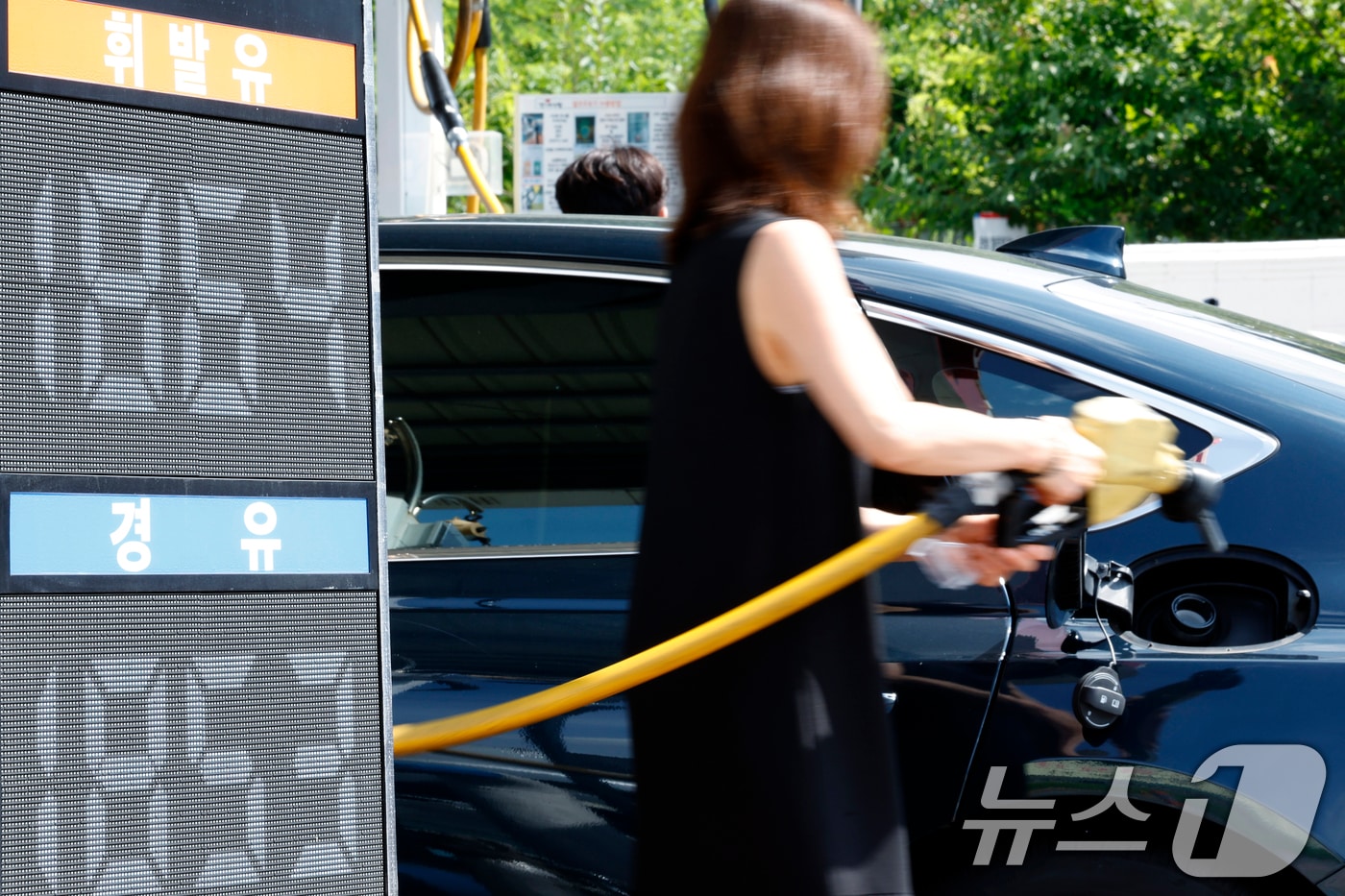
Fuel deserves particular attention if you plan to drive in Korea. The rental price alone does not represent the full cost of a road trip.
Keep the vehicle rate separate from fuel, tolls, parking, and additional charges listed in the rental conditions. That sounds like a small organizational step, but it prevents a low headline rental price from distorting your daily budget.
4. Accommodation and time-sensitive reservations
The inflation forecast does not predict hotel prices. Accommodation rates can respond more directly to location, season, weekends, events, room availability, and booking conditions.
Record the final amount displayed at checkout rather than the first search result. Also note whether breakfast, taxes, cancellation terms, or other charges are included in the amount you are comparing.
The reported increase in foreign visitors does not prove that every Korean destination will be crowded. It does, however, give travelers another reason not to rely on last-minute availability for the most important parts of an itinerary.
Use this budget table before you book
If you are short on time, start here. The goal is to separate costs you can fix now from expenses that will remain flexible after arrival.
| Expense | What to record | Best time to review it |
|---|---|---|
| Flights | Final payable amount and booking conditions | Before purchase |
| Accommodation | Final price, included items, and cancellation terms | Before booking and once more before the free-cancellation period ends |
| Airport transport | Current fare for your chosen route | After selecting your airport and hotel |
| City transport | Current fares and likely number of daily trips | After building the day-by-day route |
| Food | Recent menu examples from the neighborhoods you will visit | During itinerary planning and shortly before departure |
| Rental car | Vehicle, fuel, tolls, parking, and listed extras | Before reserving the vehicle |
| Flexible spending | Your own allowance for cafés, snacks, shopping, and unplanned transport | After fixed costs are known |
A six-step Korea budget refresh
- Lock in the largest costs first. Start with flights and accommodation because they usually shape the rest of the itinerary.
- Put a date beside every estimate. This immediately shows which restaurant menus, attraction fees, and fares might be outdated.
- Price your actual route. A Seoul-only trip, an intercity itinerary, and a rental-car journey need different transport budgets.
- Match food spending to your travel style. Do not use one general daily figure if your plans include cafés, markets, convenience stores, and destination restaurants.
- Add a contingency amount separately. Base it on trip length, how much is prepaid, and how much flexibility you want after arrival.
- Review flexible prices shortly before departure. Replace old estimates after your dates and route are final.
Payment planning also matters. A correct price estimate is less helpful if your preferred payment method does not work where you expect it to. See the related guide to contactless payment use during Korea travel and prepare a backup method.
Three mistakes that can distort your travel budget
Applying 2.6% to every expense
A national inflation forecast is not a universal travel surcharge. Seasonal demand, booking time, location, exchange rates, and individual business decisions can move prices in different directions.
Using undated travel content as a price list
Older guides can still be useful for choosing neighborhoods, dishes, and routes. They are less reliable when used as current quotations. Look for the publication or update date before copying a price.
Assuming government action guarantees unchanged prices
Price-stability measures do not promise that tourist-facing meals, transport, or accommodation will stay at one level. Use the update as a reason to refresh your itinerary, not as a guarantee of what you will pay.
Korean phrases that help when asking about costs
| Korean | Pronunciation | Meaning |
|---|---|---|
| 가격이 얼마예요? | Gagyeogi eolmayeyo? | How much is it? |
| 추가 요금이 있나요? | Chuga yogeumi innayo? | Is there an additional charge? |
| 요금이 바뀌었나요? | Yogeumi bakkwieonnayo? | Has the fare or fee changed? |
| 물가 | Mulga | Consumer prices or the general cost-of-living level |
FAQ
Should I increase my entire Korea travel budget by 2.6%?
No. Replace old figures with current prices for each major expense. Add a separate contingency allowance instead of applying 2.6% uniformly to hotels, meals, flights, and transportation.
Does the forecast mean subway and bus fares are rising?
The reported details do not establish a specific subway or bus fare increase. Use the current fare published by the city or transport operator serving your route.
Which expense should I update first?
Start with accommodation and major transportation. Then review food, airport transfers, local travel, and car-related costs. This order gives you a realistic total without trying to predict every small purchase.
Is Korea becoming too expensive for international travelers?
The 2.6% forecast alone cannot answer that. Your actual cost depends more directly on travel dates, destination, accommodation level, route, exchange rate, and spending style.
What Korean search terms can help me find newer information?
Use 2026 한국 물가 전망 2.6% for the inflation outlook. For a specific travel cost, add the city and service—for example, a city name plus 지하철 요금 for subway fares or 버스 요금 for bus fares.
Where the figures came from
The 2.1% and 2.6% forecasts, the resulting 0.5-percentage-point revision, and the references to fuel, food, public charges, and foreign visitor growth were reported in a News1 article published on July 14, 2026. The article is also available through its Naver News edition.
The report is useful for understanding the national price outlook on that date, but it is not a live travel-price database. Before making a non-refundable purchase, rely on the current amount and conditions displayed by the airline, hotel, attraction, rental company, or transport operator you will use.
Update these five numbers before your Korea trip
Korea’s revised 2.6% inflation forecast is not a formula for calculating your final trip cost. It is a reminder that old food, transport, and driving estimates can quietly weaken an otherwise careful budget.
Your next step: Save the budget table, then update five figures today: accommodation, airport transport, daily food, local transportation, and any rental-car expenses. Once those match your actual route and dates, add your own contingency amount and review the flexible items again shortly before departure.


댓글
댓글 쓰기