Foreign Students in Korea: Check Competition Eligibility Before You Train for the Big Stage
Foreign Students in Korea: Check Competition Eligibility Before You Train for the Big Stage
Save this before you make the same Korea mistake many international families only discover too late: being talented, enrolled, and ready to compete may still not be enough if the competition rules limit entry by nationality.
Quick answer: A July 8, 2026 Korea news signal from Naver News Korea Life Signals points to the case of Hanna, a 14-year-old boxing prospect described as “7 wins in 7 fights,” who reportedly could not enter an elite boxing ring because she is a foreigner. For international students, parents, and foreign residents in Korea, the takeaway is simple: before investing time, money, and emotion into school sports, elite competitions, arts contests, or career-linked programs, check eligibility rules in writing.
Why this matters for Korea watchers
If you live in Korea as a foreign resident, study in Korea, or are raising a child here, this story is not only about boxing. It is a reminder that some Korea-based opportunities may be tied to citizenship, national team development goals, school advancement systems, or employment pathways.
That matters because certain competitions in Korea are not just “events.” They can affect school progression, athletic records, university pathways, scholarships, and even future jobs. The source summary specifically notes that elite competitions can influence school advancement and employment.
For international families, the painful part is usually timing. The rule may not become obvious when a child first joins a gym, club, academy, or school team. It may appear only when the student tries to enter a higher-level competition.
What happened
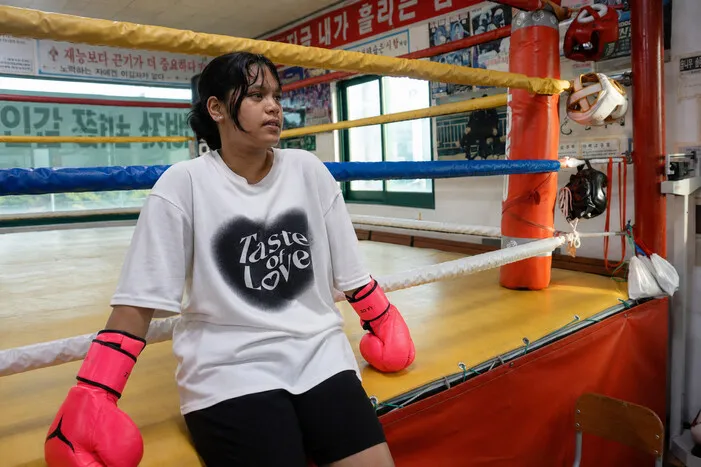
According to the July 8, 2026 news item surfaced through Naver News Korea Life Signals, the case centers on a 14-year-old boxing prospect named Hanna. The Korean headline describes her as “7전7승”, meaning she had won all 7 of her 7 bouts.
The issue reported in the source is that she could not step into the ring for a certain elite competition because she was considered a foreigner. The summary also says there is a view that allowing foreign athletes into that pathway may not match the purpose of developing Korean national team athletes.
The source further notes that similar requests had reportedly been made to the association several times before, but had not been accepted.
| Key point | What is known from the source | Why international readers should care |
|---|---|---|
| Country | South Korea | Relevant for foreign residents, international students, and families living in Korea. |
| Published date | 2026-07-08 | Useful as a current Korea life signal, especially for people checking school or sports rules. |
| Person in the news | Hanna, a 14-year-old boxing prospect | Shows that age and talent alone may not guarantee eligibility. |
| Visible record in headline | 7 wins in 7 fights | The reported barrier was not performance, but eligibility status. |
| Core issue | Could not enter the ring because she was treated as a foreigner | Foreigners should verify competition rules before committing to a pathway. |
| Practical impact mentioned | Elite competitions can affect school advancement and employment | Rules may affect long-term education or career planning, not just one event. |
What international readers should know
The practical lesson is not “foreigners cannot compete in Korea.” That would be too broad. The safer and more useful lesson is this:
In Korea, eligibility can change depending on the level and purpose of the event.
A child may be able to train at a gym. A student may be able to join a school club. A foreign resident may be welcomed in local activities. But a higher-level event connected to national athlete development, official ranking, school records, or career-linked benefits may have additional rules.
That difference is easy to miss if you only ask, “Can my child join?” The better question is, “Can my child compete all the way through the official pathway, and will the result count?”
Local context most people miss
Many international residents understand Korea through daily life: school, hagwon, sports clubs, K-pop academies, language programs, part-time work, and local events. But Korea also has formal systems behind many activities.
In sports, the key distinction may be between casual participation and elite competition. In arts or academics, the same issue can appear as eligibility for awards, official certificates, school records, or nationally recognized contests.
The source summary mentions the idea that an association may view a competition through the purpose of “developing Korean national representatives.” If a program is designed for that purpose, nationality or representative eligibility may become a deciding factor.
This is why international families should avoid relying only on verbal reassurance from a coach, teacher, or academy staff member. They may be kind and well-intentioned, but the final decision can belong to an association, federation, school authority, contest organizer, or public body.
What to check next
If you are a foreign student, parent, coach, or foreign resident in Korea, use this checklist before investing heavily in a competitive path.
- Ask for the official eligibility rule. Do not rely only on a chat message or verbal answer.
- Check nationality requirements. Look for words such as nationality, foreigner, alien registration, residence status, Korean citizen, or national representative eligibility.
- Ask whether participation and results will be officially recognized. Joining and having the result count may be different.
- Confirm whether the event affects school advancement or employment. The source notes that elite competitions can affect these areas.
- Check who makes the final decision. It may not be the school, gym, or academy.
- Save written replies. Keep emails, notices, application rules, and screenshots in case rules are later disputed.
- Re-check before each season or event. Rules can differ by competition level and organizer.
A simple scenario: the question you should ask first
Imagine your child is training in Korea and has strong results. A coach says the child is talented enough for an elite competition. Before paying for extra training, travel, gear, or private lessons, ask this:
“As a foreign national, can my child enter this exact competition, have the result officially recorded, and use it for school or career-related evaluation?”
That one sentence can save months of confusion. It separates general participation from official eligibility.
Useful Korean phrase
If you need to ask a school, association, academy, or competition office, this Korean sentence may help:
“외국인 학생도 이 대회에 참가할 수 있고, 입상 기록이 공식적으로 인정되나요?”
Meaning: “Can a foreign student participate in this competition, and will any award or result be officially recognized?”
You can also add:
“참가 자격 규정을 문서로 받을 수 있을까요?”
Meaning: “Could I receive the eligibility rules in writing?”
What this means beyond sports
This story is especially relevant to boxing and elite athletics, but the habit applies more widely in Korea.
Foreign residents may want to check eligibility before entering:
- school sports tournaments
- elite athlete development programs
- official arts or music competitions
- government-linked youth contests
- scholarship-linked competitions
- career or employment-linked certification tracks
The question is not whether foreigners are welcome in everyday Korean life. Many are. The question is whether a specific program gives the same official status, records, or future benefits to non-Korean participants.
What to verify before making a decision
Before you make a major decision based on this issue, verify the original competition rule and the latest notice from the relevant organizer. News stories can show a real-life signal, but your situation depends on the exact event, date, association, and eligibility category.
For sports, check the competition organizer or relevant sports association. For school-linked events, check both the school and the official event notice. For anything affecting visa, education, employment, or official records, confirm directly with the responsible institution.
Why this is credible
The facts used here come from a Korea news signal collected by Naver News Korea Life Signals for the query “외국인 취업 한국”, with the original article linked through The Hankyoreh and Naver News. The dated source information identifies South Korea, the publication date 2026-07-08, the headline about a 14-year-old boxing prospect, and the reported issue of being unable to compete because she was considered a foreigner.
What you should not do is make a school, training, visa, or career decision from this article alone. Use it as a warning sign and then check the official rule for your exact competition or program.
FAQ
Can foreign students join sports in Korea?
Often, yes, but joining a team or gym is not the same as being eligible for every official competition. Always check the event’s written rules, especially for elite or school-linked competitions.
Does this mean foreigners cannot compete in Korean boxing?
Not necessarily. The reported case concerns a specific issue around an elite competition pathway. Eligibility can vary by event, organizer, level, and purpose.
Why would nationality matter in a competition?
Nationality may matter when a competition is connected to national representative development, official ranking, school advancement, or other formal systems. The source summary mentions the view that the purpose was to develop Korean national team athletes.
What should parents ask before paying for serious training?
Ask whether a foreign student can enter the exact competition, whether the result will be officially recognized, and whether it can be used for school or career-related evaluation.
Where should I confirm the rule?
Confirm with the competition organizer, relevant association, school office, or official notice page. Keep written proof of the answer.


댓글
댓글 쓰기