Free Seoul Sightseeing? Check This Volunteer Program Before You Visit
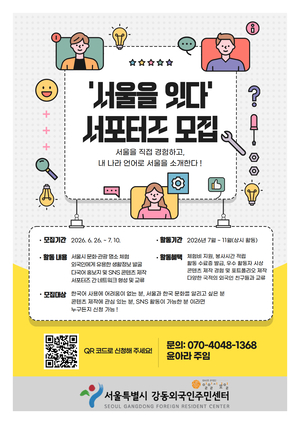
Before you book every Seoul attraction out of pocket, check whether you qualify for a city-linked volunteer program that helps foreign residents explore Seoul and share travel tips in their own languages. The program is called “Seoul Itda Supporters,” and it is scheduled to run from July through November, according to a June 30, 2026 report by The Korea Herald.
This is not a normal tourist discount pass. It is a content volunteer program for foreign nationals, so the real value is different: you may get help with activity expenses while discovering Seoul attractions and creating useful information for other newcomers.
Why this matters for Korea watchers
Seoul is easy to enjoy, but it is not always easy to understand on your first visit or first few months living here. Many foreign visitors search for “free things to do in Seoul,” “Seoul travel tips,” or “things foreigners should know in Korea” because the city has a lot of attractions, but the practical details are often scattered.
That is why this program is worth noticing. It connects three things international readers care about:
- seeing more of Seoul without wasting time;
- getting practical local information in languages other than Korean;
- joining a Korea-based activity that can be useful for residents, creators, students, or newcomers.
If you are already in Seoul, planning a longer stay, studying Korean, or creating Korea-related content, this is the kind of opportunity you should verify early. Programs like this usually have participation rules, application periods, and activity requirements. Do not assume it works like a walk-in free tour.
What happened
The Seoul Gangdong Foreign Resident Center is seeking foreign nationals to join “Seoul Itda Supporters,” a volunteer program where participants explore Seoul attractions and create informative content in their native languages.
The idea is simple: foreign participants experience the city, then share helpful tips about living and traveling in Seoul so that newcomers can enjoy the city more easily.
According to the report, the program will run from July through November. Participants are expected to receive support for activity expenses and a certificate, but applicants should confirm the exact conditions through the official program notice before making plans.
| Item | Confirmed detail | What to check before acting |
|---|---|---|
| Program name | Seoul Itda Supporters | Search the exact program name when looking for the official notice. |
| Organizer mentioned | Seoul Gangdong Foreign Resident Center | Confirm application method and eligibility through the center’s official channel. |
| Who it is for | Foreign nationals | Check whether tourists, short-term visitors, students, workers, or residents are eligible. |
| Activity period | July through November | Make sure you can participate during the required months. |
| Main activity | Explore Seoul attractions and create content in native languages | Confirm required content format, frequency, language, and submission rules. |
| Support mentioned | Activity expense support and a certificate | Verify the amount, payment rules, certificate conditions, and any completion requirements. |
The important point is that this is not just “free sightseeing.” It is a volunteer supporter activity. The benefit comes with a role: you help make Seoul easier for other foreigners to understand.
What international readers should know
If you are visiting Korea for only a few days, this may not be the right fit. The program runs across several months, so it sounds more relevant to foreign residents, exchange students, long-stay visitors, language learners, international spouses, workers, or creators based in Seoul.
If you are already in Korea, it could be useful for several reasons. You may discover attractions outside the usual tourist route. You may build Korea-related content in your own language. You may also meet other foreign residents who are learning how Seoul works in real life.
For content creators, the key detail is the language angle. The program is asking participants to create informative content in their native languages. That suggests the center is not only looking for English-language posts. If your language community lacks practical Seoul information, this could be a meaningful way to contribute.
For newcomers, the bigger benefit is indirect. Even if you do not join the program, the content created by supporters may help you later. Look for posts, guides, or center updates connected to “Seoul Itda Supporters” if you need practical tips about attractions, local movement, and everyday life in Seoul.
Local context most people miss
Seoul is not one single travel zone. Many first-time visitors focus on places like Myeongdong, Hongdae, Gangnam, Gyeongbokgung Palace, and the Han River. Those are worth visiting, but Seoul’s local foreign resident centers often work on a different problem: helping people actually settle into the city.
That difference matters. A tourist guide might tell you where to take photos. A foreign resident support program is more likely to care about practical questions such as:
- How do foreigners understand local facilities?
- Which places are beginner-friendly?
- What information is missing in non-Korean languages?
- How can newcomers enjoy Seoul without feeling lost?
Gangdong is also not the first district many short-term tourists think of when they imagine Seoul. That can be a plus. Programs connected to district-level centers may introduce parts of the city that are less visible on global travel feeds.
Another point to understand: Korean public or community programs often use the word “supporters” for ambassador-style volunteer groups. It usually means participants promote, explain, review, or create content around a theme. It does not automatically mean a paid job, a scholarship, or a travel package.
Useful Korean phrase: 활동비 지원이 있나요? means “Is activity expense support provided?” If you contact the center, this is one of the most important questions to ask.
What to check next
Before you apply or make travel plans around this program, verify the details directly. The report gives the broad outline, but your decision should depend on the official notice.
- Eligibility: Does “foreign nationals” include short-term visitors, or only registered foreign residents in Korea?
- Location: Are activities based in Gangdong-gu only, or across Seoul?
- Schedule: How many activities are required between July and November?
- Language: Which native languages are accepted or preferred?
- Content rules: Are posts, videos, photos, blogs, or social media uploads required?
- Expense support: What costs are covered, and when are they reimbursed?
- Certificate: What do you need to complete to receive it?
- Application deadline: Check the official notice for the final date and required documents.
A simple rule: if you would need to change your schedule, spend money first, or rely on the certificate for school or work, do not act only from a news article. Confirm the official terms first.
FAQ
Is Seoul Itda Supporters a free tour program?
Not exactly. Based on the available report, it is a volunteer supporter program where foreign nationals explore Seoul attractions and create informative content. Activity expense support is mentioned, but you should confirm what is covered before assuming the experience is fully free.
Can tourists apply?
The report says the center is seeking foreign nationals, but it does not specify whether short-term tourists are eligible. If you are not a resident in Korea, check the official notice or contact the Seoul Gangdong Foreign Resident Center before preparing an application.
When does the program run?
The program is scheduled to run from July through November, according to the June 30, 2026 report.
What kind of content do participants create?
The report says participants will create informative content in their native languages and share tips on living and traveling in Seoul. The exact format should be checked in the official application notice.
Who is this most useful for?
It is likely most useful for foreign residents in Seoul, exchange students, long-stay visitors, Korea-focused creators, and newcomers who want to understand the city beyond famous tourist spots.
Is the certificate guaranteed?
A certificate is mentioned in the report, but you should verify the completion rules. Many supporter programs require participants to finish assigned activities before receiving certificates.
Useful links
Why this is credible: The key facts in this article come from The Korea Herald’s report: the program name, the Seoul Gangdong Foreign Resident Center, the target group of foreign nationals, the July-to-November activity period, the native-language content purpose, and the mention of activity expense support and a certificate. What you still need to verify is the official application deadline, eligibility, required documents, expense rules, and completion conditions.
If you are planning a Korea trip or settling into Seoul, save this program name and search for the official notice before July activities begin. It could be a practical way to see more of Seoul, but only if the rules match your visa status, schedule, and content skills.
