Before You Visit Korea in Summer, Know Why Locals Eat Hot Chicken Soup
Before you plan a summer food stop in Seoul, check this: one of Korea’s most “local” heat-wave meals is not ice cream or cold noodles, but a steaming chicken soup. As Chobok approaches, foreign residents in Seoul are being invited to learn how to make dak hanmari, a whole-chicken hot pot tied to Korea’s traditional summer survival food culture.
Why this matters for Korea watchers
If you are visiting Korea in July or August, you may hear Koreans talk about boknal, Chobok, or “eating chicken because it is hot.” That can sound confusing at first. Why would anyone eat hot soup on the hottest days of the year?
This is exactly the kind of local habit that makes Korea travel easier and more interesting. It helps you understand restaurant lines, seasonal menus, food conversations, and even cultural events for foreign residents.
The practical takeaway is simple: if you are in Seoul during Korea’s hottest period, dak hanmari is not just another chicken dish. It is part of a seasonal food ritual many locals recognize immediately.
What happened
According to The Korea Herald, the Seoul Foreign Resident Center is inviting foreign residents to learn how to make dak hanmari as Chobok approaches. Chobok is described as the first of Korea’s three traditional “dog days” of summer.
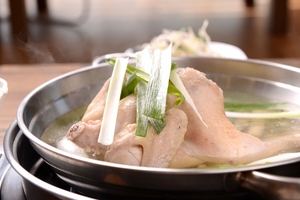
Dak hanmari literally means “one whole chicken.” The dish is usually served as a hot pot with a whole chicken simmered in broth with ingredients such as potatoes, garlic, green onions, and other vegetables.
The timing matters because chicken-based nourishing dishes are commonly associated with Korea’s summer heat. The source describes dak hanmari as a hearty chicken hot pot widely enjoyed as a summertime energy booster and traditionally believed to help people cope with the heat.
| What to know | Details from the source | Why it matters for visitors |
|---|---|---|
| Seasonal keyword | Chobok, the first of Korea’s three traditional dog days of summer | You may see more chicken soup talk, menus, or events around this period. |
| Dish | Dak hanmari, a whole-chicken hot pot | A good local food to search for if you want a summer-specific Korean meal. |
| Main ingredients mentioned | Whole chicken, potatoes, garlic, green onions, other vegetables, broth | Useful if you have food preferences, allergies, or dietary restrictions. |
| Organizer mentioned | Seoul Foreign Resident Center | Foreign residents in Seoul may want to check whether registration is open. |
| Publication date | June 29, 2026 | Event details should be verified before making plans. |
What international readers should know
For many first-time visitors, Korea’s summer food logic can feel surprising. In many countries, hot weather means cold drinks and chilled meals. Korea has those too, but there is also a strong tradition of eating warm, nourishing dishes during the hottest stretch of the year.
The idea is not that hot soup magically solves summer heat. It is a cultural food habit built around stamina, comfort, and seasonal routine. The source uses careful wording: dak hanmari is traditionally believed to help people cope with the summer heat.
That distinction matters. Treat it as culture, not medical advice. If you are sensitive to heat, you should still stay hydrated, avoid overexertion, and follow official weather and health guidance while traveling.
For food travelers, dak hanmari is also practical. It is a shared hot pot, so it can be easier to enjoy with friends than ordering several unfamiliar dishes separately. The broth, chicken, potatoes, garlic, and green onions make it familiar enough for many visitors while still feeling very Korean.
Local context most people miss
The key word is Chobok. Korea’s summer has three traditional hot-day markers, often grouped under the idea of sambok, or the three dog days. The source specifically identifies Chobok as the first of the three.
When Chobok gets close, chicken dishes become especially visible. Some people think immediately of samgyetang, the famous ginseng chicken soup. But dak hanmari is another chicken-centered option, especially associated with a simple, hearty hot-pot style meal.
There is also a social angle. A cooking class hosted for foreign residents is not just about the recipe. It is a way to understand how food, weather, and community overlap in Korea. If you live in Seoul, these events can be a low-pressure way to learn local habits without needing perfect Korean.
If you are only visiting, you may not join the class itself, but the signal is still useful: this is a seasonal dish worth looking for when the city gets hot.
What to check next
If you want to turn this into a real travel or life-in-Korea plan, do not just show up somewhere because you saw the dish mentioned. Check the practical details first.
- If you want to join the cooking event: confirm the Seoul Foreign Resident Center’s official notice, registration method, date, time, location, language support, and any fee.
- If you want to eat dak hanmari in Seoul: search the dish name in Korean, 닭한마리, on local map apps or restaurant platforms.
- If you have dietary restrictions: ask about chicken broth, garlic, green onions, and any dipping sauce ingredients before ordering.
- If you are traveling in peak summer: plan around heat, queues, and restaurant wait times, especially around seasonal food days.
- If you are comparing dishes: remember that dak hanmari and samgyetang are both chicken dishes, but they are not the same meal.
FAQ
What is dak hanmari?
Dak hanmari means “one whole chicken.” In the source, it is described as a hearty chicken hot pot made with a whole chicken, potatoes, garlic, green onions, other vegetables, and a rich broth.
Why do Koreans eat hot chicken soup in summer?
It is part of a traditional summer food culture. Around Korea’s dog days of summer, chicken dishes are commonly treated as nourishing meals that help people feel restored during the hottest period.
What is Chobok?
Chobok is the first of Korea’s three traditional dog days of summer. The Korea Herald article connects the upcoming Chobok period with the Seoul Foreign Resident Center’s dak hanmari cooking invitation.
Is dak hanmari the same as samgyetang?
No. Both are Korean chicken dishes often associated with nourishment, but dak hanmari is presented as a whole-chicken hot pot. Samgyetang is a different chicken soup dish. If you are ordering, check the menu name carefully.
Can tourists join the Seoul Foreign Resident Center event?
The source says the center is inviting foreign residents. If you are not a resident, verify eligibility directly through the official event notice before making plans.
Is this a health recommendation?
No. The cultural belief is that dishes like dak hanmari help people cope with summer heat, but travelers should not treat it as medical advice. In Korean summer, take heat safety seriously and check official weather or health guidance when needed.
Useful links
Why this is credible: The confirmed details used here come from The Korea Herald’s June 29, 2026 article: the Chobok timing, the Seoul Foreign Resident Center angle, the dak hanmari dish description, and the ingredients mentioned. Before attending any event, readers should still verify the official notice for registration, schedule, eligibility, fees, and location.
